
Loading...
Serving Chino Hills, CA and surrounding areas. (909) 834-5289
Chino Hills chimneys take a beating from seasonal temperature swings and seismic activity. We inspect, diagnose, and repair - mortar, flashing, caps, and liners - so your home stays protected.
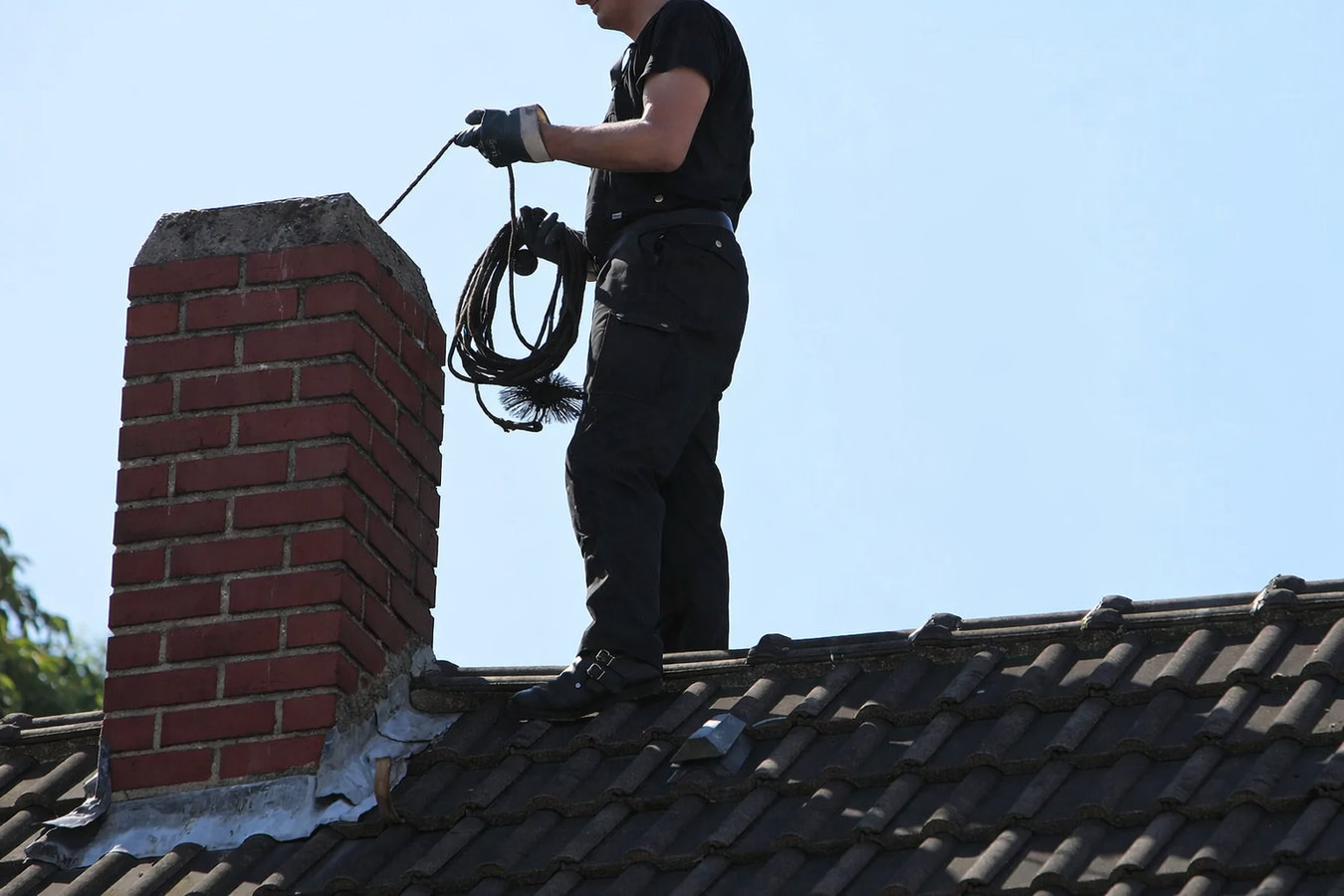
Chimney repair in Chino Hills covers the full range of masonry and component failures - mortar repointing, cap and crown repair, flashing replacement, and interior liner work - and most repairs are completed in one to two days depending on the scope. The work starts with a proper inspection, because the right repair depends on where the failure actually is.
Most Chino Hills homeowners notice chimney problems through water stains on the ceiling near the fireplace, visible mortar deterioration from the ground, or a smoky smell inside the house when the fireplace is not in use. Each of these points to a different failure - and patching the visible symptom without addressing the source just means the damage continues behind the scenes.
If your chimney needs a full rebuild or you want to add a new fireplace while the masonry work is being done, our fireplace installation service can often be coordinated in the same project visit.
That chalky white residue - called efflorescence - means water is moving through your brickwork and carrying dissolved salts to the surface. In Chino Hills, where temperature swings between day and night accelerate moisture movement through masonry, this staining often appears after the first few winters in a home without recent maintenance. It is not cosmetic - it means water is already inside the brick.
Healthy mortar sits flush with the brick face and has a consistent, solid appearance. When it looks sandy, hollow, or pulled away from the brick edges, it has lost its ability to keep water out. Most Chino Hills homes were built in the late 1980s and 1990s - original mortar is now at or past the point where it commonly needs attention.
Southern California gets most of its rain between November and March, and a chimney with failing flashing or a cracked crown will often show its damage during those wet months. Brown staining on the ceiling near the chimney, or dampness inside the firebox after a rainstorm, means water is getting in somewhere it should not be. This is one of the clearest signs that a repair cannot wait.
The cap sits at the very top of the chimney and is your first line of defense against rain, debris, and animals. You can often see its condition from the ground with binoculars. A missing or broken cap means every rainstorm sends water directly into the flue, and birds or squirrels may already be nesting inside - both of which cause damage that compounds quickly.
We cover every common chimney failure point - from deteriorated mortar joints and missing caps to cracked flashing and failed interior liners. Every job starts with a camera inspection where needed so we are repairing the actual problem, not guessing from the ground. For mortar work that extends beyond the chimney itself - such as deteriorated joints on an exterior brick wall - our tuckpointing service handles that work under the same licensed crew.
Homeowners who want to add a fireplace installation while chimney repair work is already underway can often combine both scopes into one project visit, saving time and mobilization cost.
Best for chimneys where the mortar between bricks has deteriorated, leaving gaps that let water into the masonry.
Best for chimneys missing a cap or where the existing cap is cracked, rusted, or no longer covering the full flue opening.
Best when the seal between the chimney and the roof has lifted, cracked, or separated, allowing rain to reach the framing below.
Best for chimneys where the clay tile liner has cracked or deteriorated, allowing combustion gases to reach areas of the home they should never reach.
Most Chino Hills homes were built between 1985 and 2000 - which means original mortar, clay tile liners, and chimney caps are now 25 to 40 years old and commonly at or past the end of their useful life. The city also sits at elevations ranging from about 700 to over 1,800 feet, and the daily temperature swing between cold nights and warm days accelerates moisture movement through masonry faster than in lower, more stable coastal areas. The Chimney Safety Institute of America recommends annual inspections for exactly this reason - and in Southern California, where fireplaces are used infrequently, many homeowners have never had one done.
Seismic activity is another factor that sets Chino Hills apart. The 2008 earthquake centered beneath the city was strong enough to crack liners and shift mortar joints in ways that are not visible from the ground. We serve homeowners throughout the area, from established hillside neighborhoods in Chino Hills to communities just across the county line in Yorba Linda.
When you reach out, we ask a few basic questions - how old is the home, when was the chimney last inspected, and what prompted you to call. You should expect to schedule an on-site inspection before any repair quote is given. We respond within one business day.
We examine the outside of the chimney - the bricks, mortar, cap, and flashing - and look inside using a camera to check the liner. This typically takes 45 minutes to an hour. At the end, we walk you through exactly what we found and explain what needs repair and what is fine.
After the inspection, you receive a written quote that breaks down each repair separately - not a single lump sum. This lets you understand what you are paying for and make informed decisions. We also handle any required permits with the city on your behalf.
Most repairs are completed in one day. After the work is done, we walk you through the completed job and show you what good looks like - consistent mortar, secure flashing, a properly seated cap. If new mortar was applied, we give you the cure window before fireplace use.
We respond within one business day. No pressure, no surprises - we show you exactly what we find before quoting a dollar of work.
(909) 834-5289Our California masonry contractor license is active and verifiable on the CSLB website. That means we carry required insurance and can be held accountable through the state if anything goes wrong - not just a verbal promise.
The Chino Hills fault produced a 5.5 magnitude earthquake in 2008, and many chimneys in the area have never been inspected for the internal damage that seismic events cause. We inspect specifically for earthquake-related chimney damage - shifted mortar, cracked liners, loosened flashing - not just surface wear.
A significant portion of Chino Hills neighborhoods are HOA-governed. We are familiar with the distinction between maintenance repairs and appearance-changing work, and we help you navigate HOA review requirements before work begins so you are not redoing anything.
The Inland Empire rainy season runs November through March. We prioritize scheduling chimney repairs in late summer and fall so your chimney is sealed and ready before the first significant rain event - not patched after the water damage has already started.
These are the things that separate a contractor worth calling from one you will regret hiring. Before booking anyone for chimney work, you can verify their California contractor license on the CSLB website - it takes about 60 seconds.
New fireplace construction or complete rebuild for indoor and outdoor masonry fireplaces.
Learn MorePrecision mortar joint restoration for brick and block walls throughout your home exterior.
Learn MoreRain season hits the Inland Empire hard every November - a chimney with failing mortar or a cracked cap lets that water straight into your walls. Call today or submit your project details and we will respond within one business day.